 Reviews


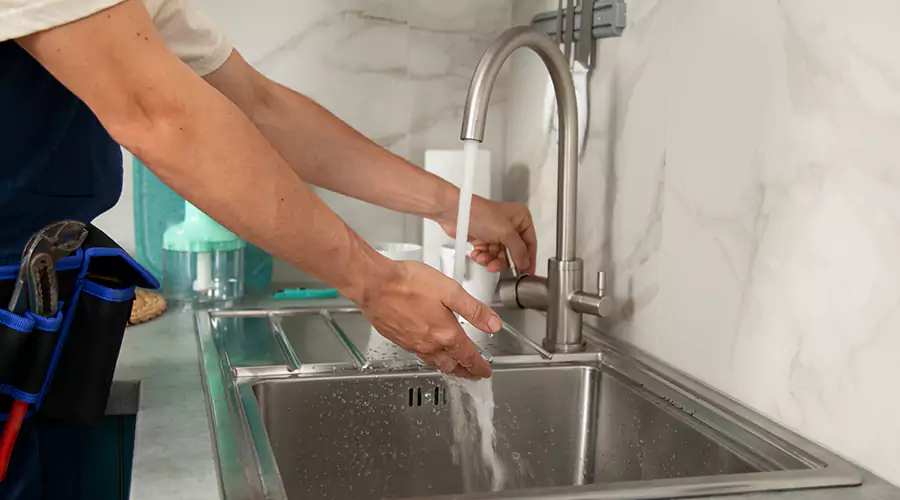
Experiencing weak water pressure in a home can be frustrating, and understanding its source is essential to ensure proper water flow. The causes of low pressure are often overlooked, but they can be identified systematically by observing different aspects of the plumbing system. A thorough inspection is usually recommended before taking corrective measures.
Common Causes of Weak Water Pressure
A variety of factors can contribute to water pressure weak in house situations. Corrosion and mineral buildup in pipes are primary causes, especially in older plumbing systems. Pipe corrosion can narrow water pathways, while deposits such as calcium or lime accumulate over time and significantly reduce flow. Water pumps may also contribute to weak pressure if they are failing or not properly sized for household demand. In some cases, hidden leaks within the plumbing system may be the underlying issue, making professional Water Leak Repair essential to restore consistent pressure and prevent further damage.
In addition, municipal water supply issues can be a major factor. Fluctuations in water supply or low-pressure zones within the public water network can result in decreased flow inside the home. The presence of a pressure-reducing valve (PRV) can also affect water delivery, and if the valve is set too low or malfunctioning, it can restrict flow throughout the plumbing system.
Inspecting Plumbing Fixtures
It is recommended that faucets, showerheads, and other fixtures be checked individually. Often, weak hot water pressure is noticed in bathrooms or kitchens, and the cause can be traced to specific fixtures. Aerators and showerheads can become clogged with mineral deposits, which are identified easily by removal and inspection.
- Faucet aerators should be unscrewed and rinsed to remove debris.
- Showerheads can be soaked in vinegar to dissolve accumulated minerals.
- Inline filters, if present, should be checked for blockages and cleaned.
Regular maintenance of these fixtures is advised to prevent repeated pressure loss and ensure consistent flow.
Pipe Inspection and Corrosion
A detailed inspection of the pipe network should be carried out, particularly in older homes with galvanized or steel pipes. Corrosion is often unnoticed until significant pressure reduction occurs. Signs such as discolored water or metallic taste indicate that pipe degradation is affecting flow. Leaks are also commonly overlooked, and even small pinhole leaks can reduce pressure significantly over time.
Clogged pipes caused by rust or sediment accumulation can be detected by water tests at multiple points in the house. If pressure drops at several locations, the issue is likely located in the main supply line rather than individual fixtures. A professional plumber may be called to perform more advanced diagnostics, such as pipe video inspections, to identify internal blockages that are not visible externally.
Water Heater and Hot Water Issues
Weak hot water pressure often originates from the water heater itself. Sediment buildup inside the tank can reduce the effective flow of hot water. A flush of the water heater is usually recommended to remove mineral deposits. In addition, the temperature-pressure relief valve should be inspected to ensure it is functioning correctly, as a malfunction can indirectly affect water pressure.
- Tank water heaters should be flushed annually.
- Gas and electric units require separate inspection procedures to maintain flow efficiency.
- The condition of pipes leading from the heater should be checked for corrosion or scaling.
Understanding these elements helps pinpoint the root of hot water flow issues and prevents further complications.
Water Pump and Pressure Systems
Homes equipped with water pumps can experience water pump weak pressure if the system is not maintained or is improperly sized. Pumps are expected to provide consistent pressure throughout the property, and failures are often revealed through uneven flow or complete loss of pressure in specific areas.
Pressure tanks and pump settings should be inspected carefully. Air in the system can reduce pump efficiency, and a check of the pump's functioning can determine whether repair or replacement is necessary. In some cases, increasing the size of the pressure tank or adjusting the pump switch can restore proper pressure.
Municipal Supply and External Factors
External factors beyond the home can influence water pressure. Municipal water supply fluctuations, scheduled maintenance, or low-pressure zones can be identified by contacting the local water authority. If multiple households experience similar issues, the cause is often traced to supply interruptions or line maintenance.
Water main breaks or aging infrastructure in the neighborhood can also affect individual homes, and temporary pressure reduction is commonly reported during such events. These conditions are usually resolved once repairs or adjustments by the local water department are completed.
Steps to Identify and Resolve Weak Water Pressure
A systematic approach is usually recommended to pinpoint the source of weak water pressure. It is advised that each potential cause is ruled out one by one to prevent unnecessary repairs.
- Inspect faucets and showerheads for clogs or mineral buildup.
- Examine water heater tanks and related piping for sediment accumulation.
- Check pressure-reducing valves and municipal supply connections.
- Test pump systems and pressure tanks for proper functionality.
- Monitor multiple locations in the home to determine whether the issue is localized or widespread.
By following these steps, homeowners are guided toward the most probable source of weak water pressure and can take informed action.
Preventive Measures
Routine maintenance of plumbing systems is recommended to prevent weak water pressure from recurring. Periodic flushing of water heaters, cleaning of aerators, and inspection of pipes for corrosion can significantly reduce the likelihood of pressure problems. Installation of water softeners in areas with hard water can prevent scaling and prolong the life of both pipes and fixtures.
Regular checks of water pumps, PRVs, and external supply lines are also advised to maintain consistent flow. Homeowners are encouraged to keep records of maintenance activities to identify trends in pressure reduction and take preemptive action.
Final Thoughts
Identifying the source of weak water pressure requires careful observation and systematic testing. Factors such as pipe corrosion, fixture clogs, water heater sediment, pump inefficiencies, and municipal supply issues must all be considered. By inspecting each component, from faucets to main supply lines, the cause can often be pinpointed accurately, and corrective measures can be applied effectively. Proper maintenance and timely repairs are crucial to ensuring reliable water flow throughout the home.
Frequently Asked Questions
What is the main cause of weak water pressure in homes?
Corrosion, pipe clogs, and failing water pumps are commonly responsible for reduced water flow.
How can weak hot water pressure be fixed?
Sediment buildup in water heaters can be flushed, and clogged pipes or fixtures should be cleaned.
Can a water pump cause weak water pressure?
Yes, an improperly sized or failing pump can reduce pressure in multiple areas of a home.
How is weak water pressure in multiple faucets tested?
Measuring flow at various points can determine if the issue is localized or affects the main supply.
Do municipal supply issues affect home water pressure?
Yes, low-pressure zones or supply interruptions can temporarily reduce water flow in homes.